> For the complete documentation index, see [llms.txt](https://dreamladders.gitbook.io/edu-metacore-whitepaper/llms.txt). Markdown versions of documentation pages are available by appending `.md` to page URLs; this page is available as [Markdown](https://dreamladders.gitbook.io/edu-metacore-whitepaper/product.md).
# Product
EDUM develops and offers the products below to track and verify learner progress.
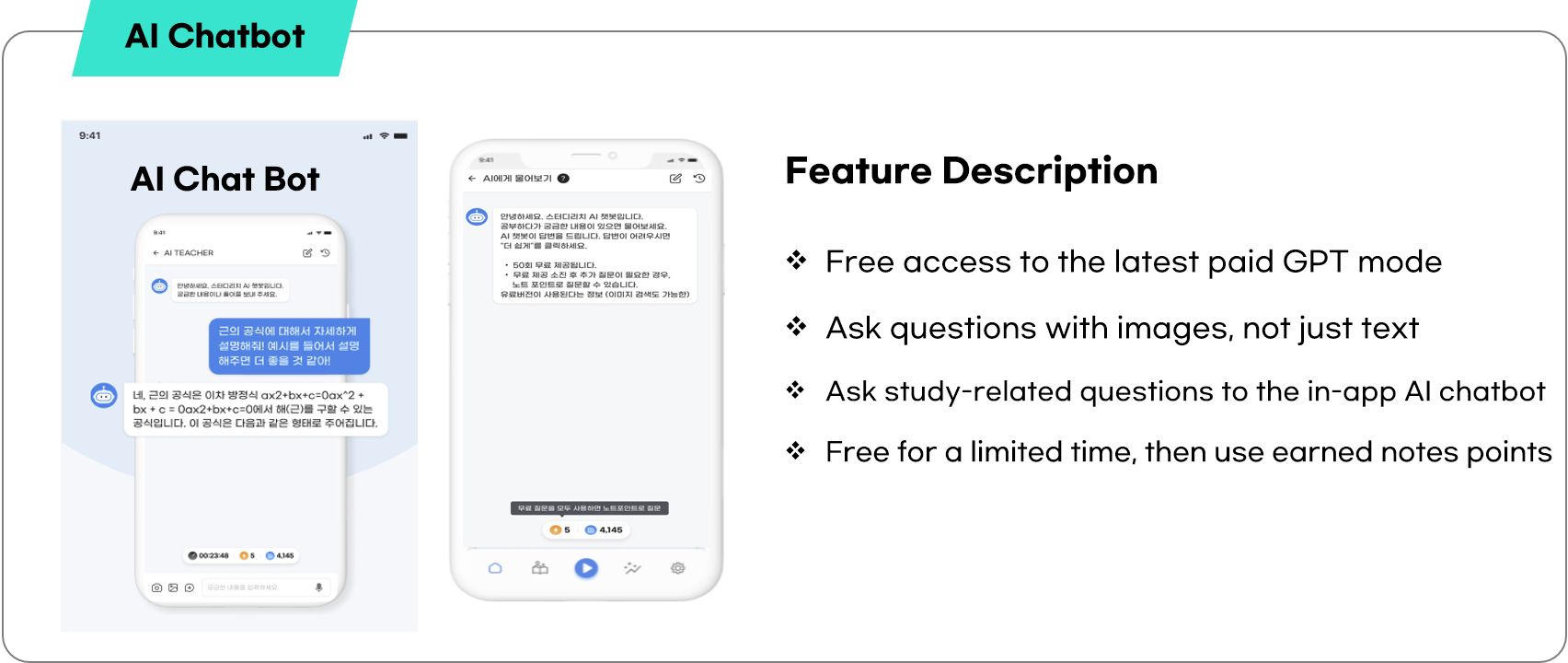
**App : The main features include measuring study time, setting up study plans, AI-based seat confirmation and community activities, and the primary goal is to improve the basic study habits of users.** Edum aims to offer a global service that is accessible to all, regardless of country or age.
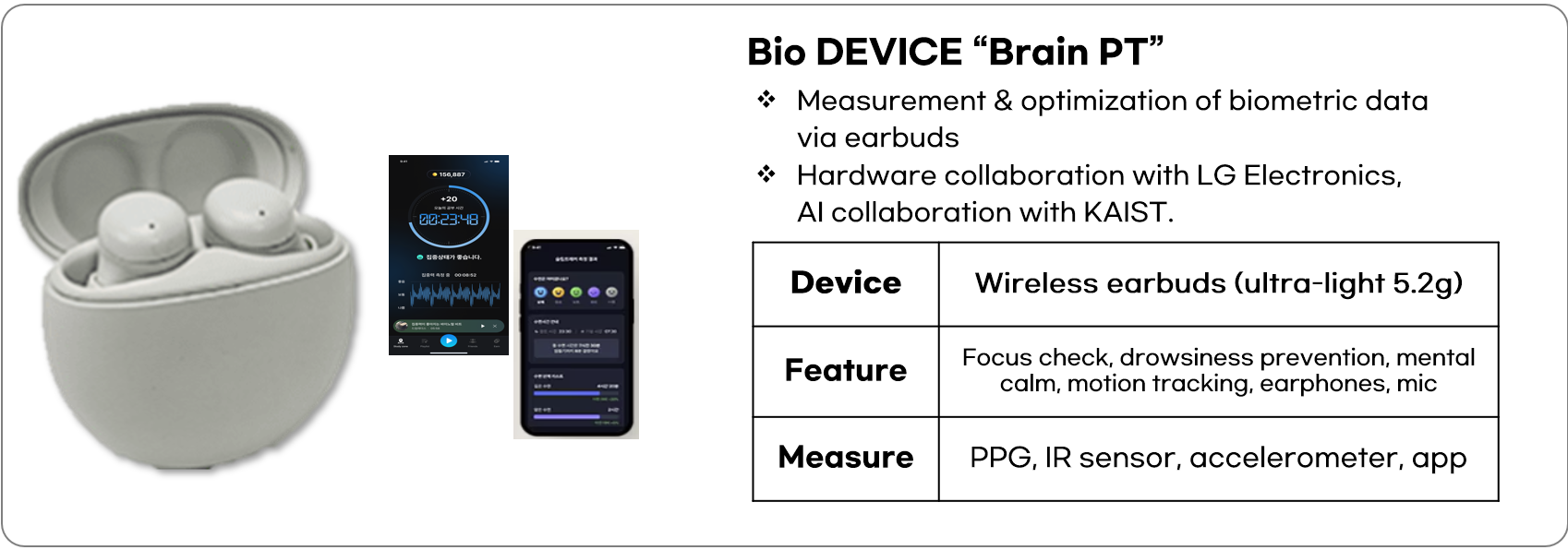
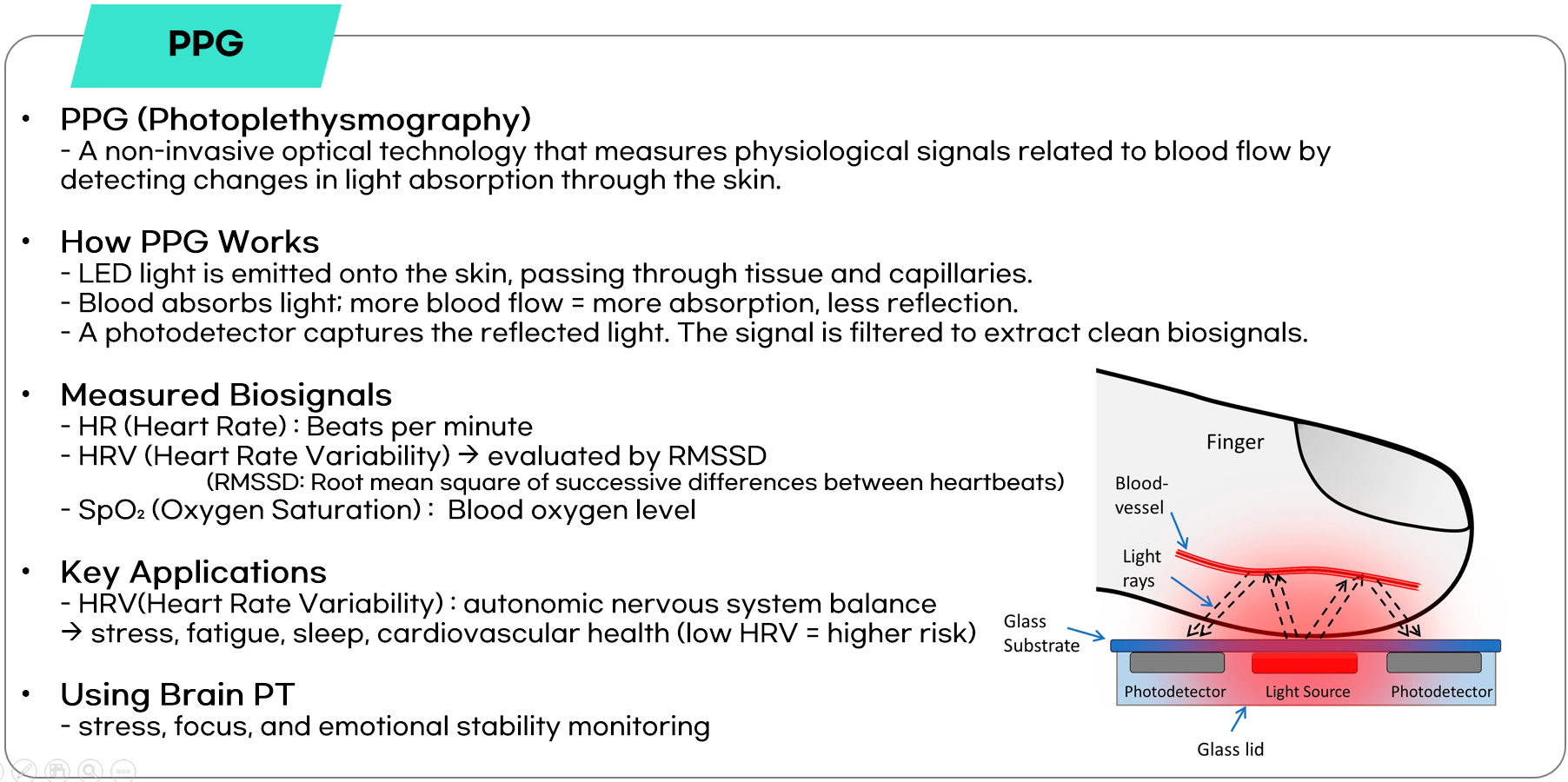
**Device : This involves understanding learners' biometric data (EEG, PPG) to more precisely and finely measure and improve learning attitudes.** Future plans include providing cognitive improvement training services, such as enhancing concentration and analytical skills, utilizing AI.
## 1. APP "STUDYRICH"
Users can monitor their learning progress and earn rewards (notes) using a study timer and facial recognition AI camera in the Mobile APP. Through the \[Timer/Seating Recognition/Learning Plan] functions of StudyRich, users can enhance their learning habits by promoting a healthy learning attitude and concentration. Emphasizing the studying process itself rather than the performance or results of specific subjects removes barriers of location or age, and the rational reward structure obtained during the learning process can appeals to global users.
### Main Functions
#### 1) Timer
#### 2) Ai Chatbot
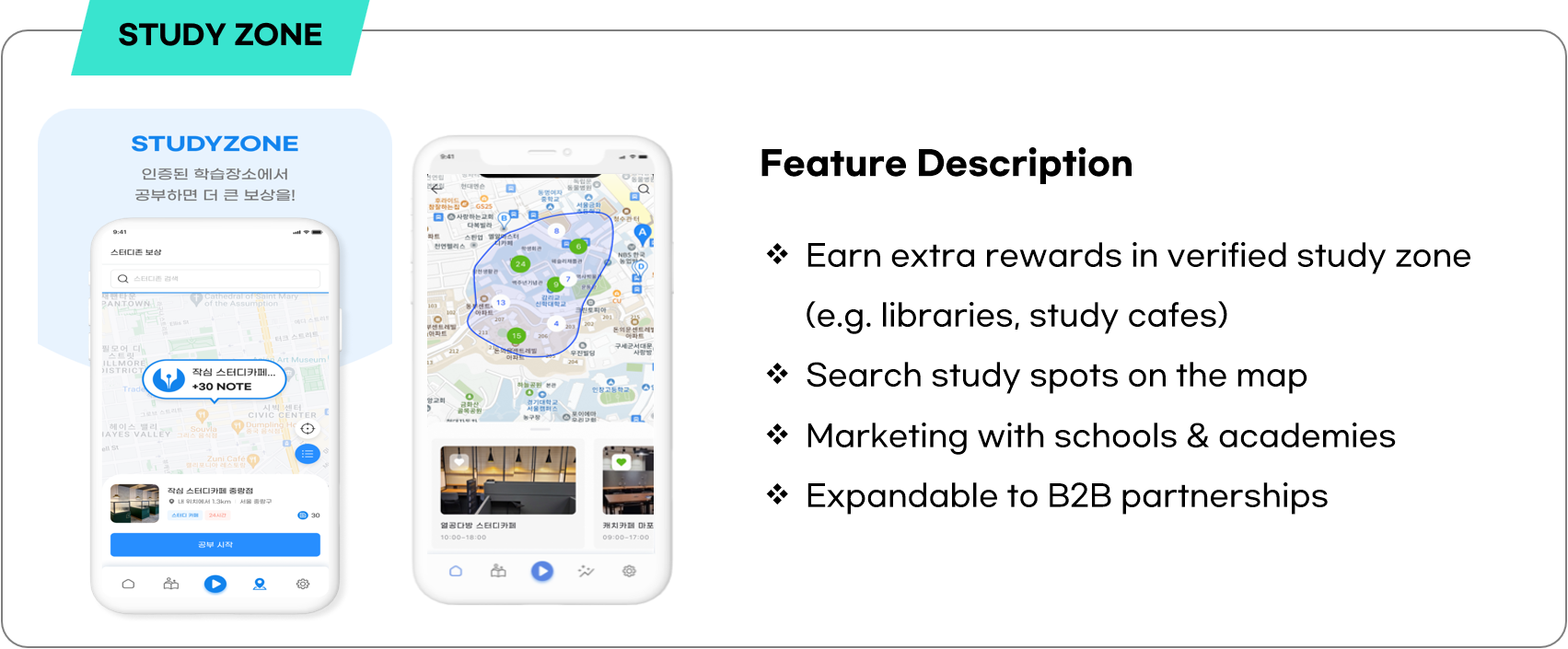
#### 3) Study Zone
#### 4) Wallet
#### 5) Level
## 2. DEVICE
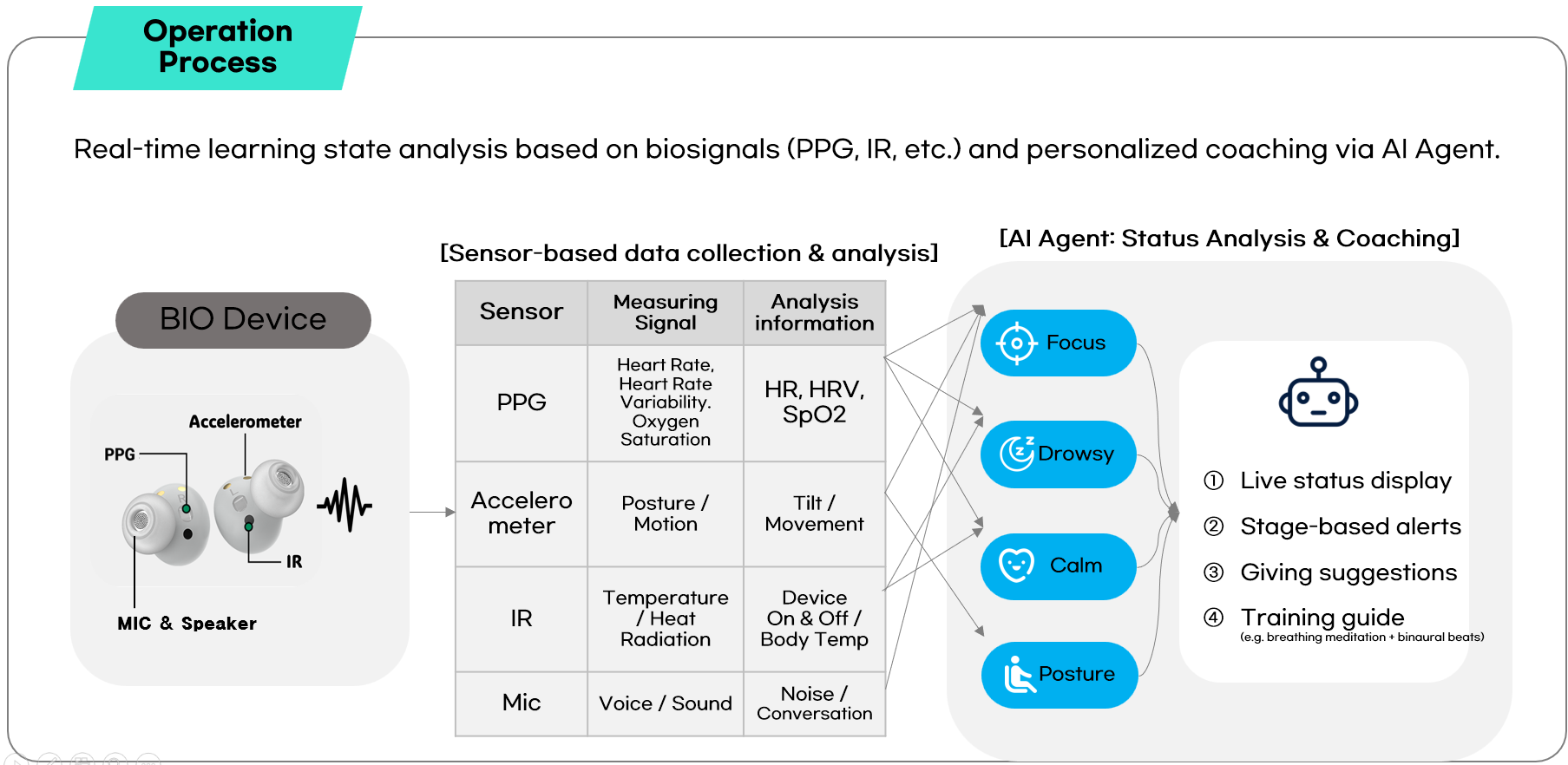
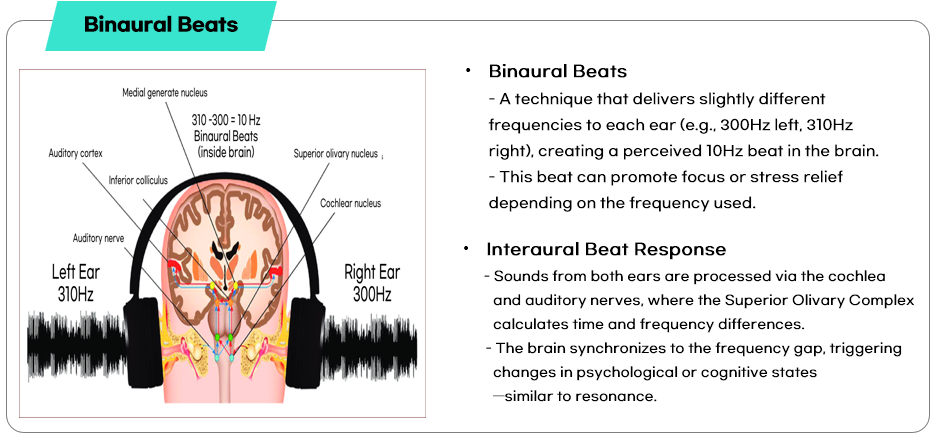
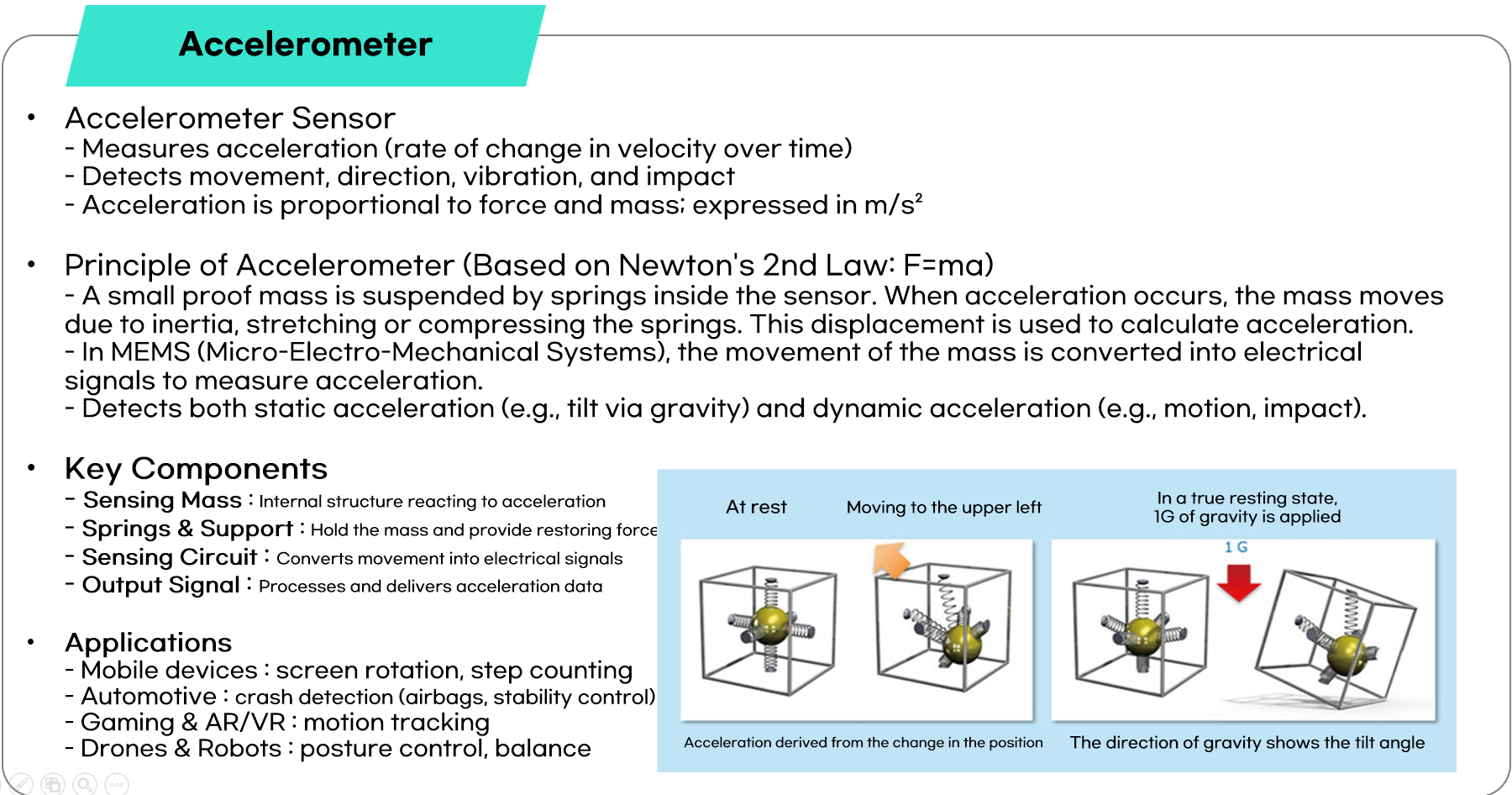
Users can enhance their learning performance through the EDUM DEVICE, an earbud-type wearable equipped with sensors (PPG, accelerometer, IR) that analyze bio-signals to assess focus, drowsiness, emotional stability, posture, and movement. Based on this analysis, the device supports improved concentration and stress relief during study. Users' learning patterns and biometric data are utilized across EDUM’s content and data businesses. In return for contributing their data and engaging with the ecosystem, users receive appropriate rewards. Following the initial commercial version of the earbud device, future models will include advanced sensors capable of measuring body temperature and respiration, with a goal of achieving medical-grade quality. Additionally, EDUM plans to offer a wide range of digital content designed to improve focus and promote emotional well-being. Beyond its role as an educational tool that boosts learning outcomes, the device also offers reward-based incentives for usage, fulfilling various user needs and purchase motivations.
In the early stages of the business (2022), the EDUM DEVICE was developed as a headset-type product. However, due to discomfort during wear, design limitations, and earphone configuration issues, we explored various additional development options. The second prototype was developed in the form of earbuds, and we conducted service stability testing with approximately 300 users from the Jinhaksa member base. Through this trial-and-error process, the commercialized product will offer enhanced quality and provide a range of digital content aimed at improving concentration and promoting emotional well-being.
### 1) Operation Process
### 2) Main Functions
### 3) Use Case
### 4) Development Plans